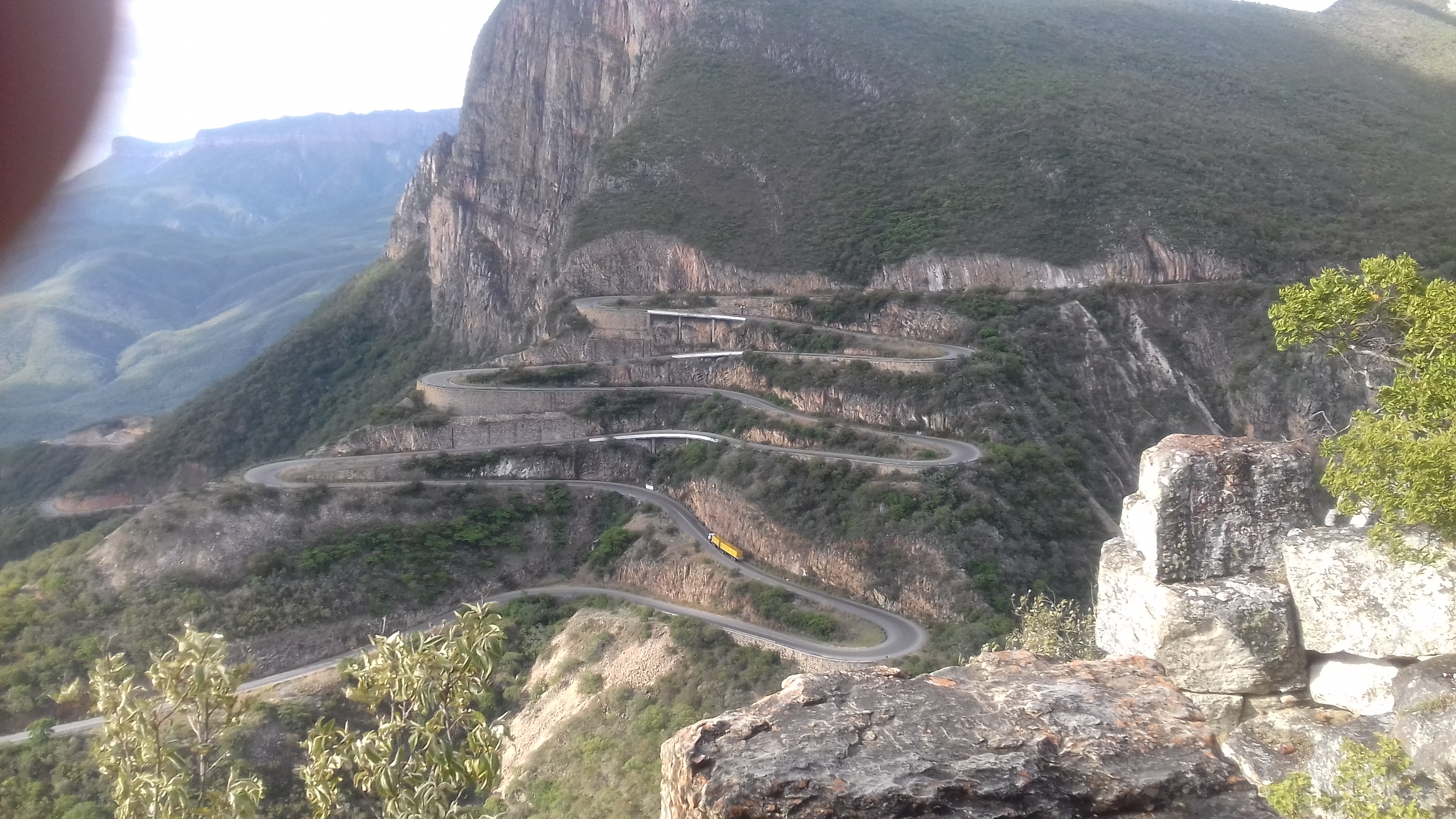
Yes — Angola is generally safe to visit if you take reasonable precautions. Tourism is growing rapidly, the civil war has been over since 2002, and most visitors have trouble-free trips. That said, Angola is not Switzerland: petty crime exists in cities, infrastructure can be challenging outside Luanda, and there are health risks (malaria, yellow fever) that require preparation. This guide gives you the practical knowledge to travel safely.
Travel Insurance for Angola
Yellow fever vaccination is required. Comprehensive medical and trip cancellation coverage is essential for travel to Angola.
Get a Quote (from $42/mo)Crime: What to Expect
Petty crime — pickpocketing, bag-snatching, occasional muggings — occurs in Luanda’s busier areas, especially after dark. Violent crime against tourists is rare but not unknown. Wealth disparity is significant, so visible signs of money (expensive watches, cameras, jewelry) attract unwanted attention. Use registered taxis or rideshare apps, avoid walking alone late at night in unfamiliar areas, keep valuables in hotel safes, and don’t carry more cash than you need.
Areas to Be Careful
Luanda’s musseques (informal settlements) — these dense neighborhoods can be unsafe for outsiders; don’t wander in unguided. Border regions — particularly the DRC border in Lunda Norte and the Cabinda enclave (occasional separatist tension). Roads at night — driving after dark is risky due to poor lighting, no shoulders, and sometimes hijackings on isolated stretches. Crowded markets and bus stations — high pickpocket risk. Stick to tourist areas, hotels, and pre-arranged transportation.
Health and Medical Risks
Malaria is the biggest health risk — Angola is high-risk year-round, especially north of Luanda and in rural areas. Take prophylaxis (consult a travel doctor 4–6 weeks before departure). Yellow fever vaccination is mandatory — bring your certificate. Water — drink only bottled or purified water. Food — eat at reputable establishments; avoid raw vegetables and unpeeled fruit at street stalls. Medical care outside Luanda is limited; Luanda has private clinics for foreigners but quality varies. Comprehensive travel insurance with medical evacuation is essential.
Getting Around Safely
Taxis: Use registered yellow taxis or rideshare apps (Yango works in Luanda); avoid unmarked street taxis. Driving yourself: Possible but challenging — traffic is chaotic, signage is poor, and you’ll need an international driving permit. Hire a driver if possible, especially for inter-city travel. Public buses: Crowded and a pickpocketing risk; not recommended for tourists. Domestic flights: TAAG (Angolan Airlines) and a few smaller carriers connect provinces; advance booking essential.
Practical Safety Tips
1. Carry copies, not originals — keep your passport in the hotel safe; carry a clear photocopy. 2. Register with your embassy — STEP for US citizens, similar for other nations. 3. Don’t drink and ride — never drive after alcohol; checkpoints are common. 4. Learn a few Portuguese phrases — even basic Portuguese smooths many interactions. 5. Respect cultural norms — modest dress in religious or rural areas; ask before photographing people. 6. Trust your gut — if a situation feels off, leave.
Emergency Numbers
Police: 113 / 922 245 333 Ambulance: 112 Fire: 115 Tourist Police (Luanda): check with your hotel for current number. Save these in your phone before arrival, along with your country’s embassy contact.
Travel Insurance for Angola
Yellow fever vaccination is required. Comprehensive medical and trip cancellation coverage is essential for travel to Angola.
Get a Quote (from $42/mo)Frequently Asked Questions
Is it safe to walk around Luanda?
Central, well-lit areas of Luanda are reasonably safe by day. Be cautious after dark and in less-traveled neighborhoods. Always avoid musseques (informal settlements) unless with a trusted local guide.
Can I drink the tap water in Angola?
No. Drink only bottled or properly purified water throughout Angola, including in major hotels. Brush your teeth with bottled water as well in some areas.
Are there terrorist threats in Angola?
Angola has not experienced significant terrorism. The main security concerns are petty crime, occasional separatist tension in Cabinda, and crime in border regions — not international terrorism.
Is Angola safe for solo female travelers?
Solo female travel is possible but requires extra care. Dress modestly, avoid walking alone after dark, use registered taxis, and consider connecting with female-led travel groups or guides. Catcalling and unwanted attention can occur.
Should I avoid Cabinda province?
Cabinda has occasional separatist activity in remote areas. The capital city Cabinda is generally safe for visitors, but check current advisories before traveling deep into the province.