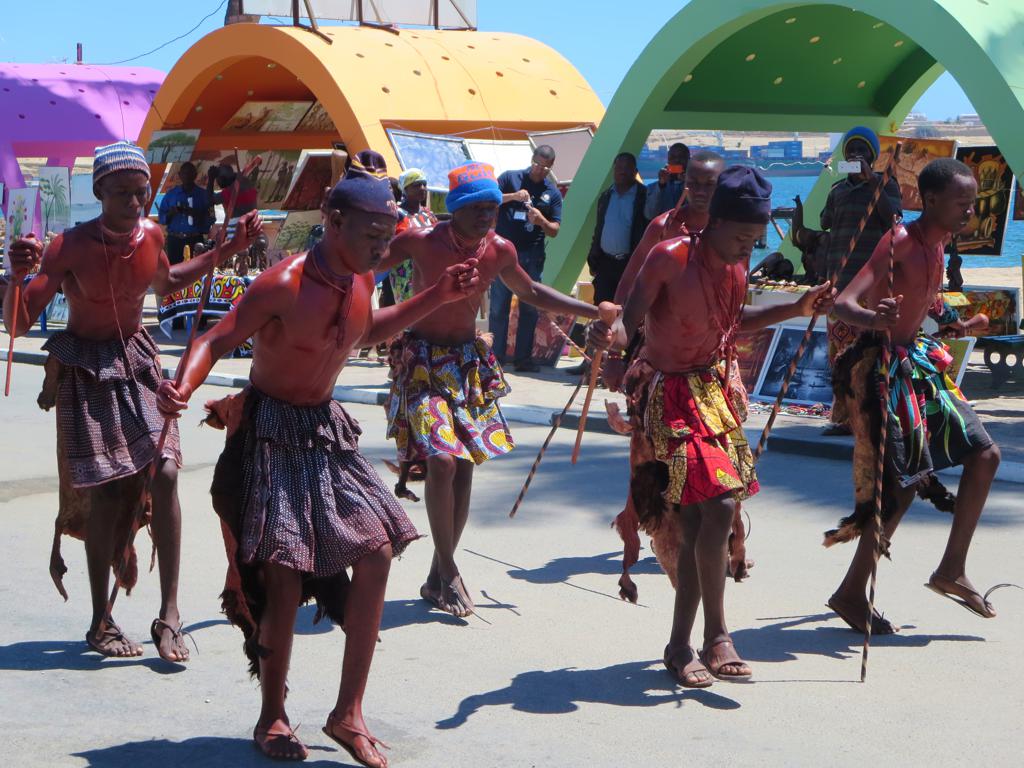
Angola's Historic Heritage
Five centuries of contact between the Atlantic and the Bantu kingdoms have left Angola with a layered material culture — from the Kongo kingdom to colonial forts to a generation of post-independence architecture.
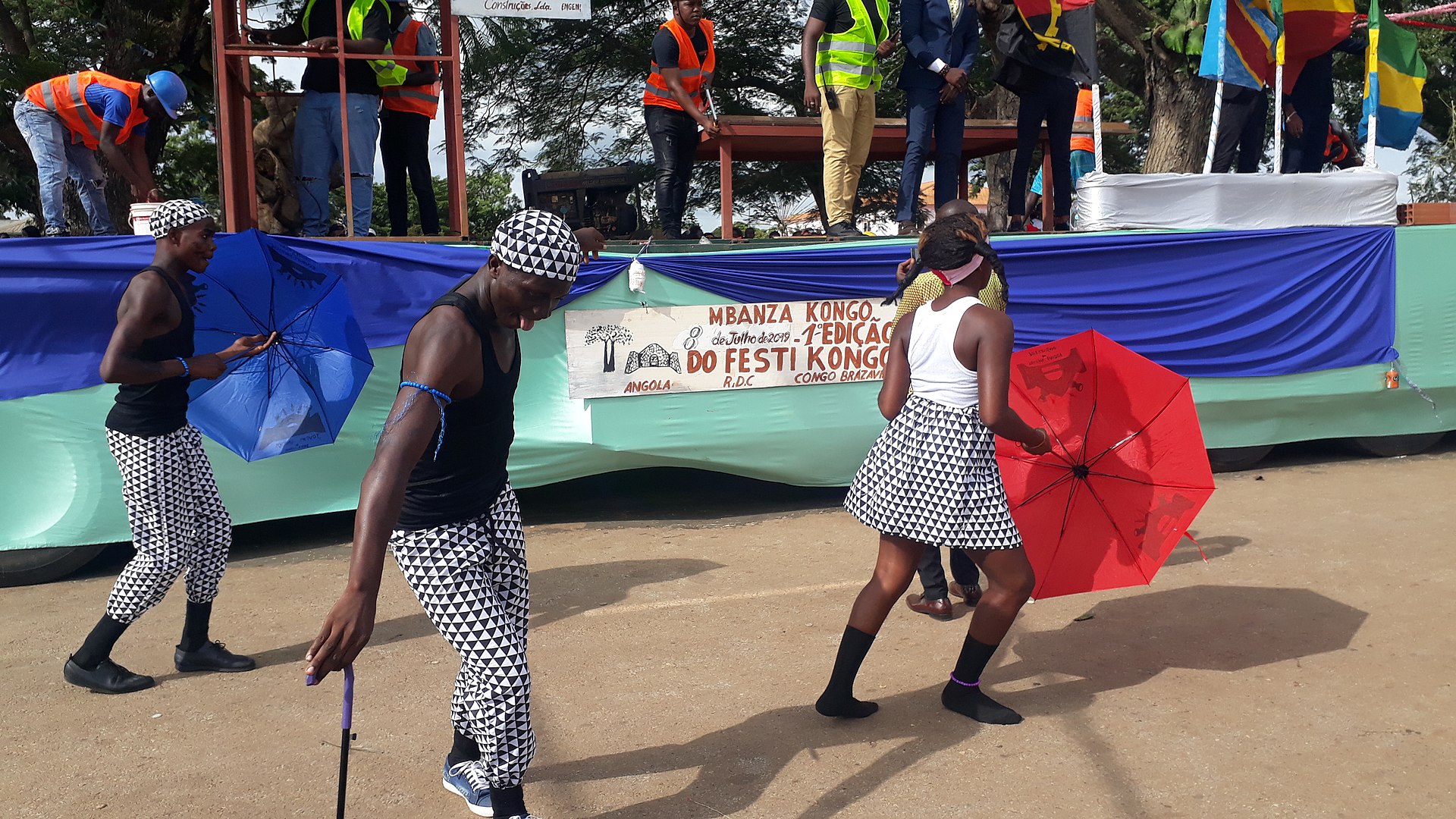
The Kingdom of Kongo and the Bantu states
Long before the Portuguese arrived, the Kongo kingdom was one of the most organized states in Atlantic Africa, with diplomatic ties to Lisbon and Rome. Mbanza Kongo (in modern northern Angola) is now a UNESCO World Heritage Site.

The colonial layer
Portuguese trading posts grew into towns from the 16th century onward. Luanda, Benguela and Namibe still carry the spatial logic of colonial planning — wide avenues, central squares, hilltop fortresses overlooking the bay.
A modern memory
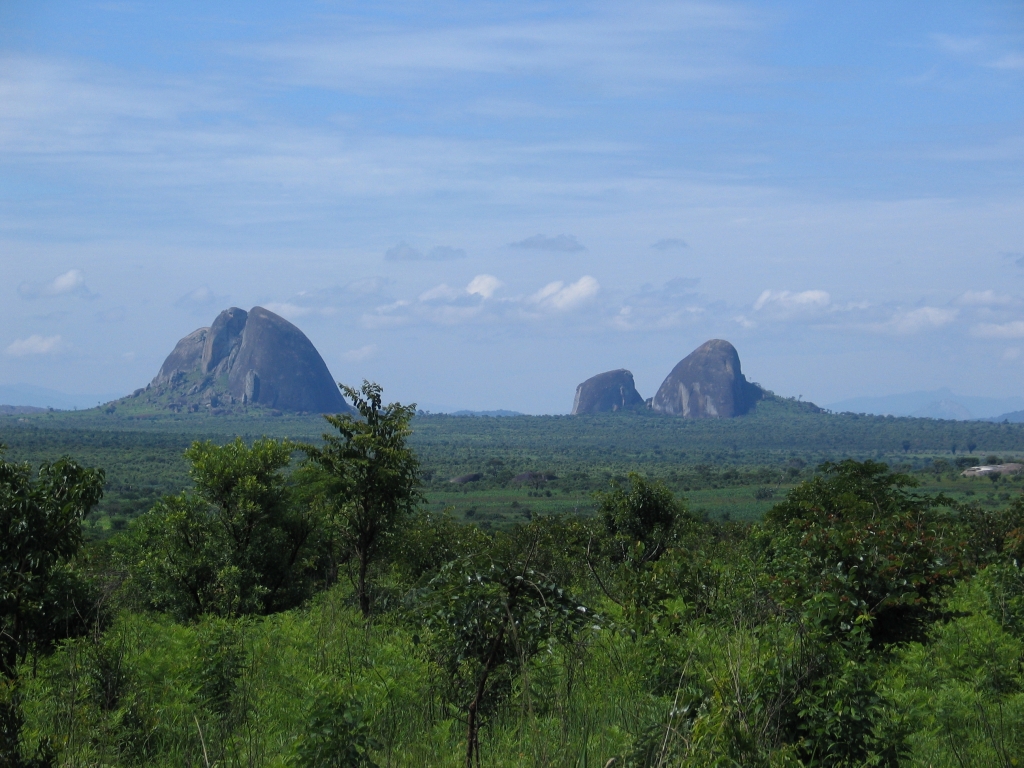
Independence in 1975 and the long civil war that followed are part of living memory for most Angolans. Museums in Luanda — including the deeply moving Museum of Slavery on the coast — engage with this history honestly.
Where to next?
Pick a region and start planning.