Angola's People
A nation of around 100 ethnic groups, more than thirty languages, and a young population that is reshaping music, fashion and food.

Ovimbundu, Ambundu, Bakongo
The three largest groups together account for the majority of Angolans. The Ovimbundu live mostly on the central plateau, the Ambundu around Luanda and the north-central regions, and the Bakongo in the north and Cabinda. Each has its own language, history, and culinary traditions.
The Mwila, Himba, Nyaneka and Herero
In the south, pastoralist communities maintain distinct languages and elaborate dress and hair traditions. The Mwila women's beaded "nontombi" hairstyle is among the most photographed in southern Africa, but the cultures behind it are living and complex — visit on local terms.
A young, urban majority
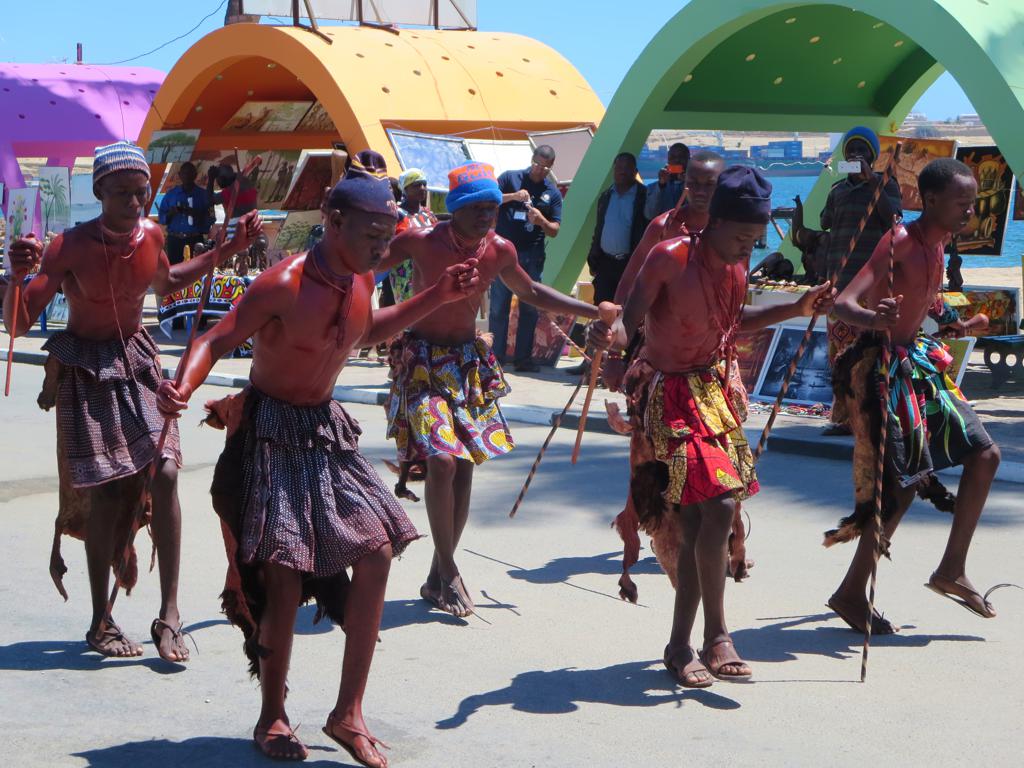
Half of Angolans are under 18. The country's cities — especially Luanda — are loud, fast and inventive, exporting kuduro and afro-house to the rest of the continent and beyond. To meet Angola, you have to meet its young people.
Where to next?
Pick a region and start planning.