About Angola
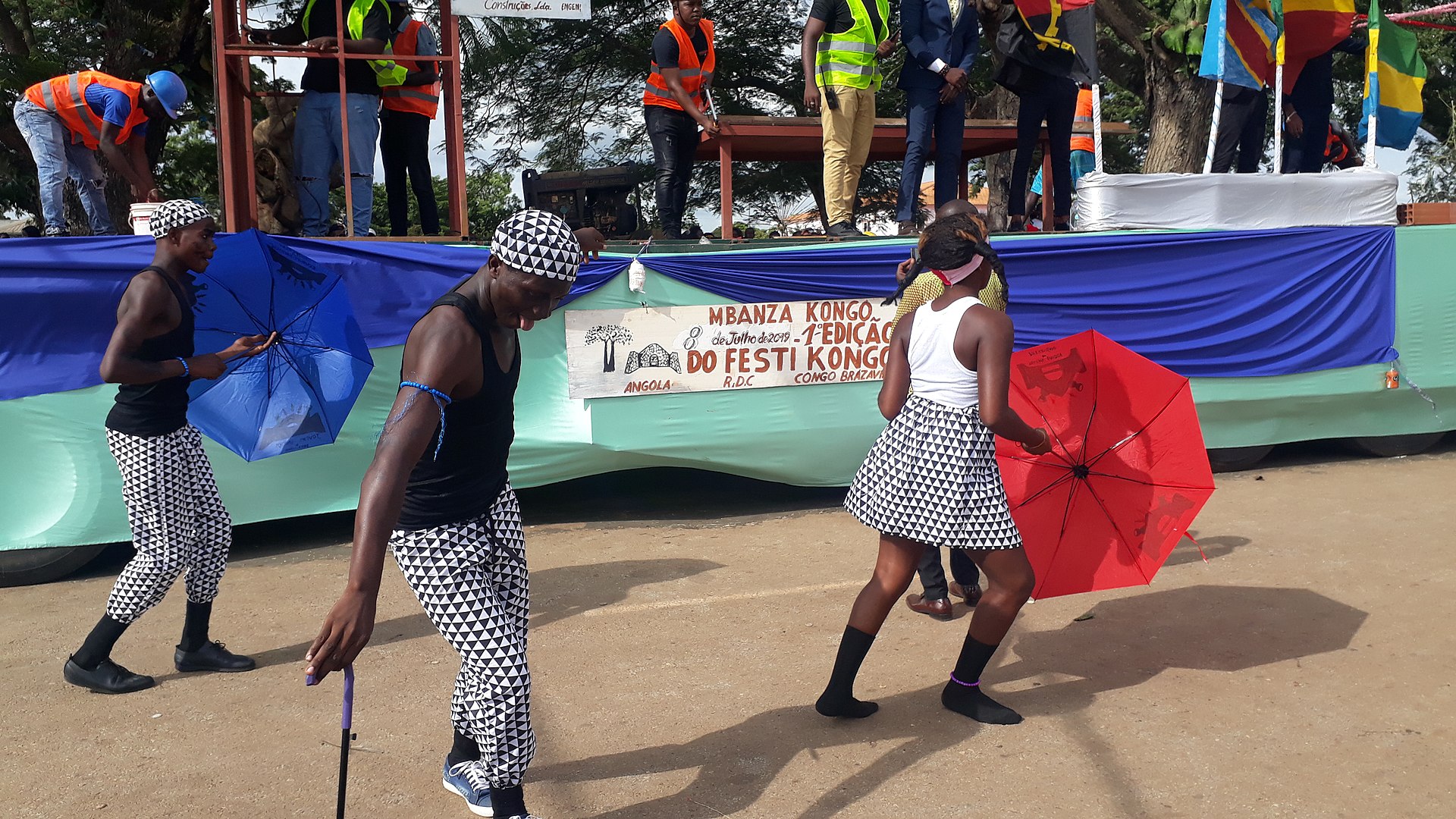
A country of striking contrasts — Atlantic coast, equatorial rainforest, central highlands and the world's oldest desert, all inside one set of borders.
Visit Angola exists to introduce travelers to the country on its own terms — not as an idea borrowed from neighboring nations, but as itself. These pages are an invitation: to plan well, travel slowly, and meet a country that has been quietly waiting for you to arrive.
A country of contrasts
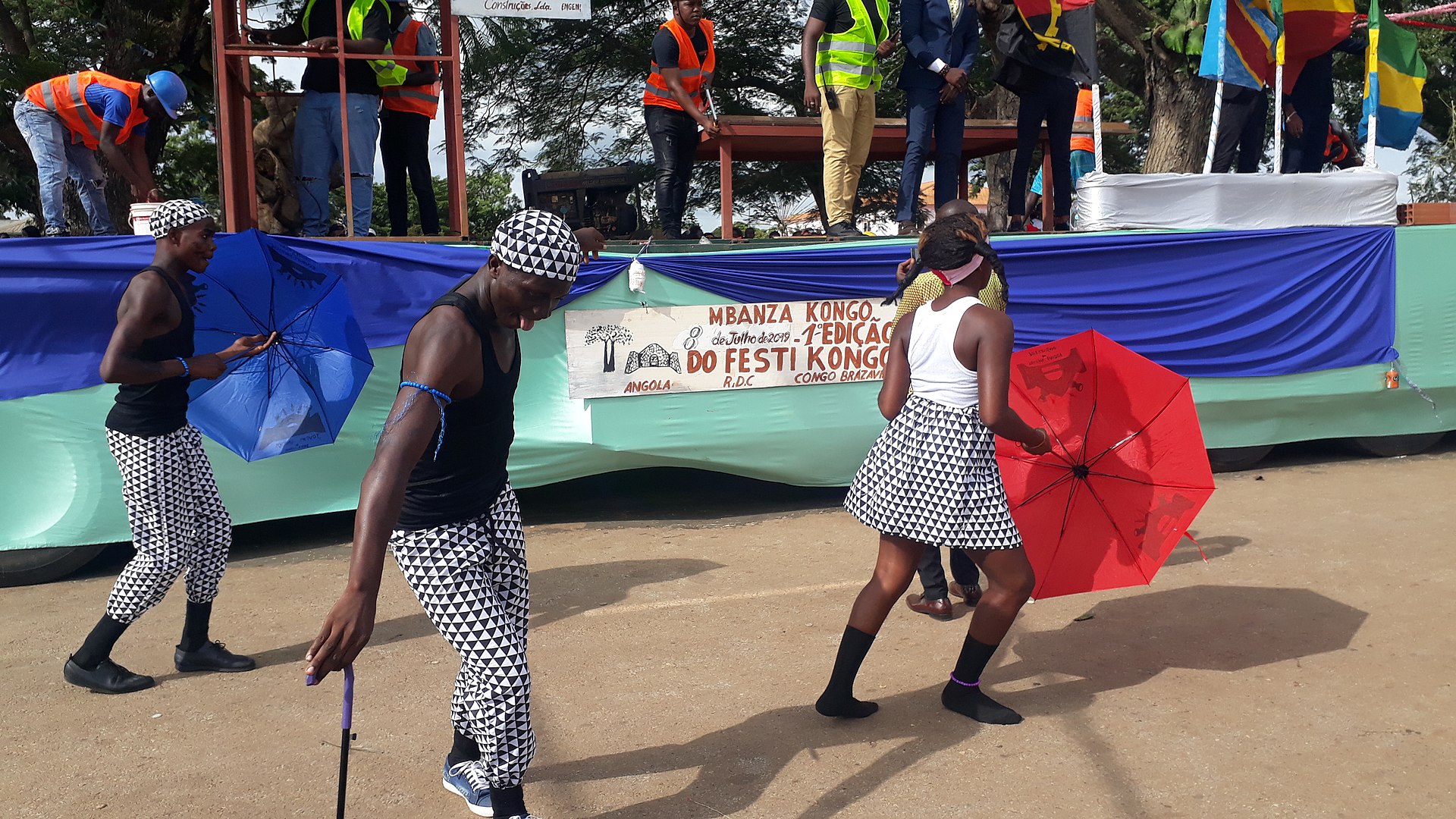
Angola is the seventh-largest country in Africa and contains some of the continent's most varied geography — 1600km of Atlantic coast, the Mayombe rainforest in the north, the cool central plateau, and the Namib desert in the south. Few countries on earth pack so many ecosystems into one passport.
A young country, an ancient land
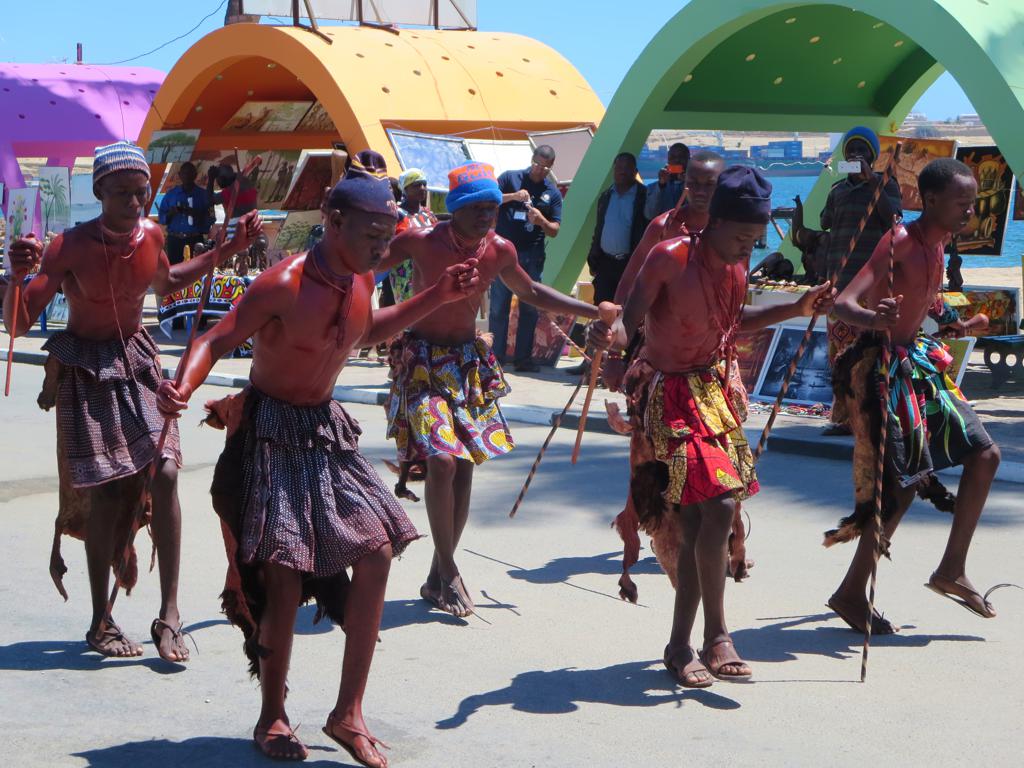
Angola became independent in 1975 after nearly five centuries of Portuguese presence. A long civil war ended in 2002. The country today is rebuilding fast — new roads, restored parks, returning wildlife — and travel here is increasingly straightforward for those who plan ahead.
A patchwork of peoples
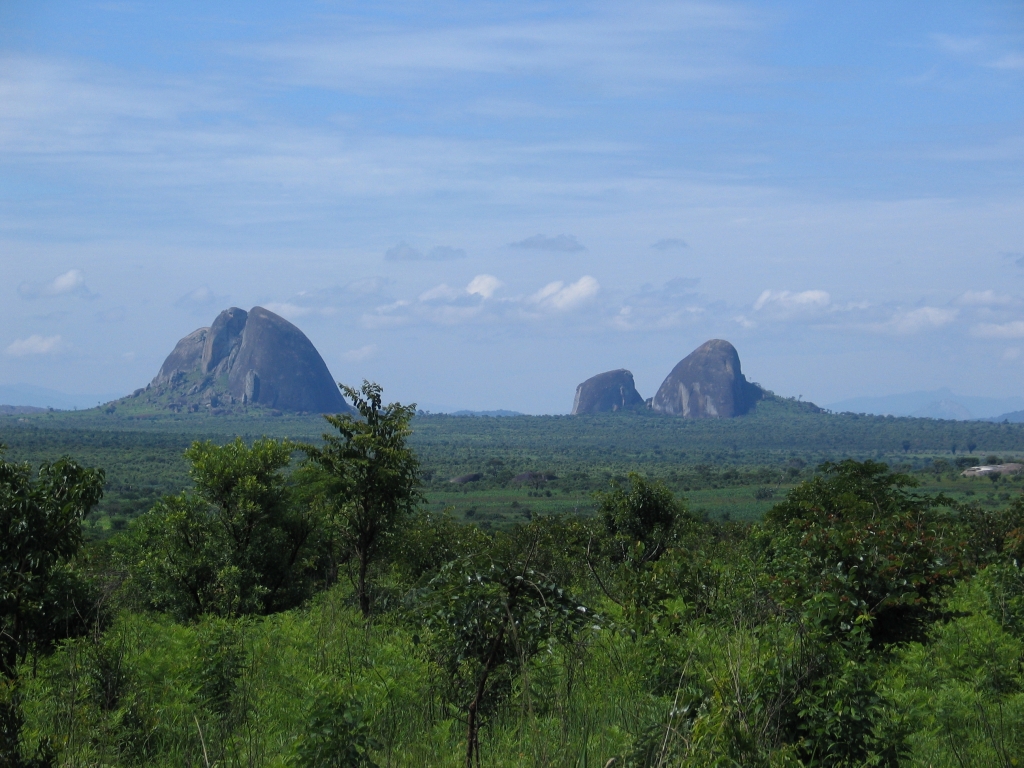
Around 100 ethnic groups speak more than thirty Bantu languages alongside Portuguese, the official language. Ovimbundu, Ambundu and Bakongo are the largest groups; the Mwila and Himba live in the south. Each region's food, music and dress reflects this layered identity.
Where to next?
Pick a region and start planning.