Huíla
Cliffs, plateau air, and the Mwila people
A cool-climate plateau in southern Angola, ringed by the Serra da Leba escarpment — the country's most photographed landscape, and the homeland of the Mwila and other pastoralist peoples.
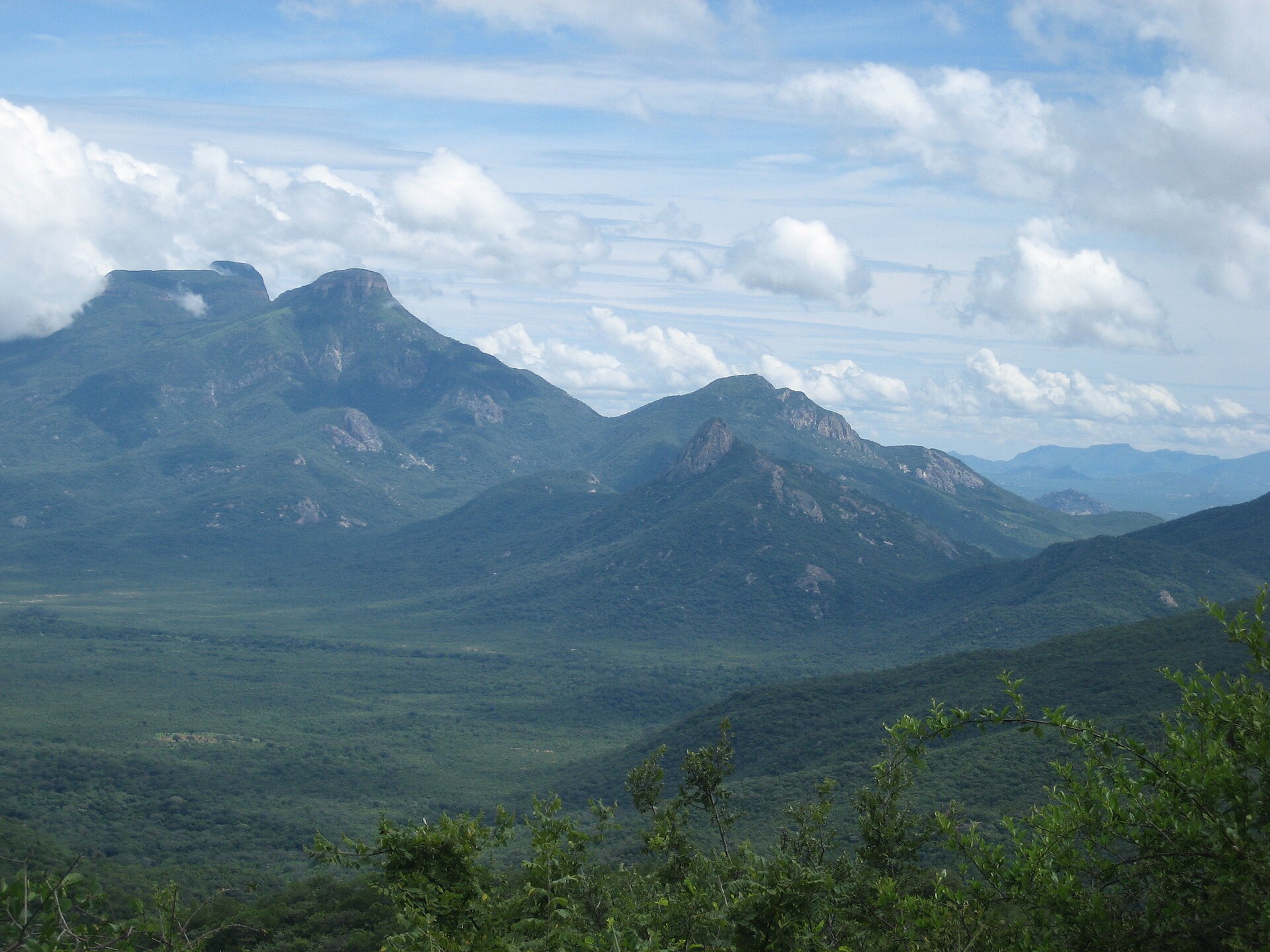
Huíla is the Angola most travelers come for. The plateau sits high enough to be cool year-round, the escarpment falls away to the desert in a single dramatic line, and the cultural landscape is among the richest on the continent.
The center is Lubango — a manageable highland town, the kind of place where you can plan three days of road trips from a single hotel. The Cristo Rei looks out from the hill above town the way the one in Rio does — Portugal built both.
Drive the Serra da Leba once at sunrise. Stand at Tundavala once near sunset. Visit a market on Saturday morning. That is the trip.
Highlights of Huíla.
-
Serra da Leba
The escarpment road that drops 1000m in a series of impossible switchbacks. Stop at the viewpoint at the top early in the morning before the cloud rolls in.
-
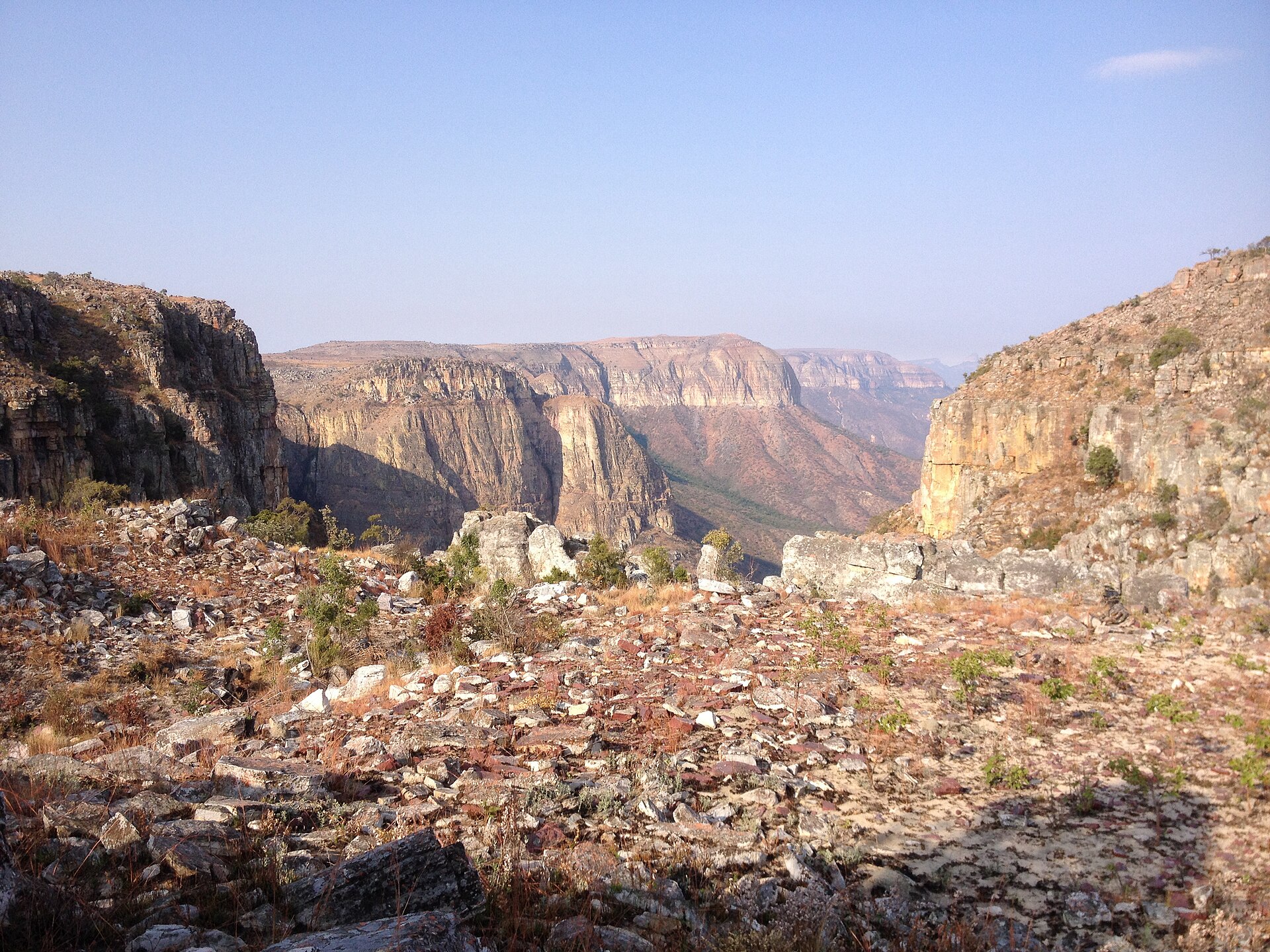
Tundavala Gap
A vertical 1200m drop from the plateau to the lowlands. One of the most dramatic viewpoints in Africa, and almost no one is ever there.
-
Lubango
Huíla's capital, sitting on the plateau at 1750m — cool air, jacaranda trees, and the Cristo Rei statue watching from the hill.
-
The Mwila people
Pastoralists with a distinctive dress and elaborate hair styling. The Saturday markets at Chibia and Hoque are not put on for visitors — they are real life, and worth the visit on those terms.
Huíla in pictures.