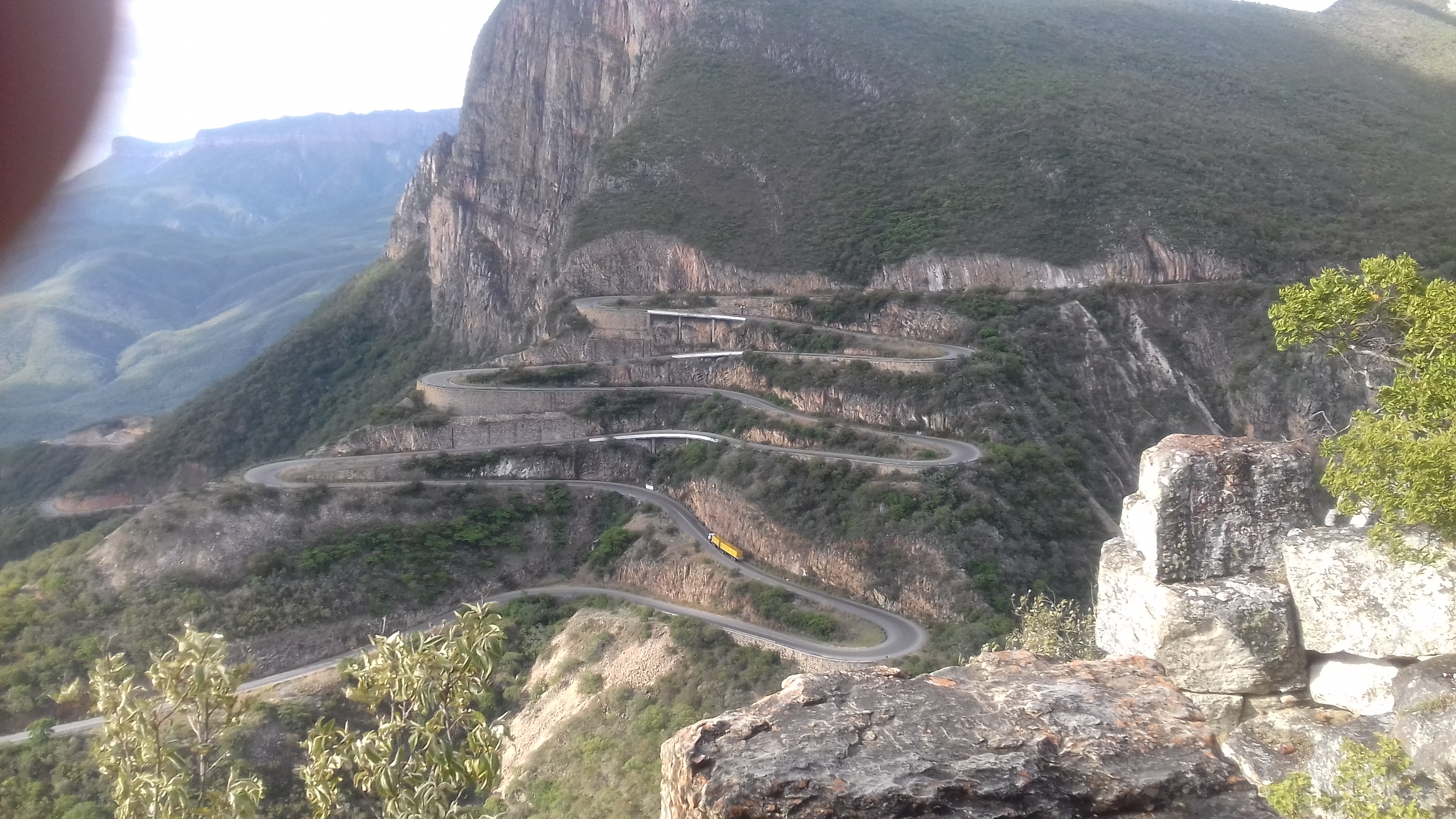
Angola is home to one inscribed UNESCO World Heritage Site and several sites on the tentative list — from the ancient Kongo capital of M’banza-Kongo to dramatic natural wonders awaiting recognition. This guide covers everything UNESCO-related in Angola.
Inscribed Sites
M’banza Kongo, Vestiges of the Capital of the former Kingdom of Kongo
Inscribed in 2017, this site preserves the historic core of M’banza-Kongo (Mbanza Congo), the political and spiritual capital of the powerful Kingdom of Kongo from the 14th century until the 19th. The site includes the ruins of the cathedral (one of the oldest churches in sub-Saharan Africa), royal residences, courts, and burial sites. It’s a profoundly important place in African history.
Location: Zaire province, northern Angola
Best time to visit: Dry season (May–October) for easier access
Book Tours & Activities
Skip-the-line tickets, guided tours, and local experiences. Free cancellation up to 24 hours before.
See Available ToursTentative List Sites
Angola has submitted several additional sites to UNESCO’s tentative list, including:
-
Kalandula Falls and the Lucala River corridor
-
Tundavala Gap (Huíla province)
-
Iona National Park (Namibe province)
-
Cuando-Cubango wetlands (transboundary with the Okavango)
Frequently Asked Questions
How many UNESCO sites are in Angola?
Angola has one inscribed UNESCO World Heritage Site — M’banza Kongo. Several additional sites are on the tentative list awaiting evaluation, including Kalandula Falls, Tundavala Gap, and Iona National Park.
Can I visit M’banza Kongo?
Yes. M’banza-Kongo is the capital of Zaire province and accessible by domestic flight from Luanda or by road. The historic site is open to visitors.
What was the Kingdom of Kongo?
The Kingdom of Kongo was a powerful pre-colonial African kingdom that flourished from the 14th to 19th centuries, covering parts of modern-day Angola, DRC, Republic of Congo, and Gabon. M’banza-Kongo was its capital.