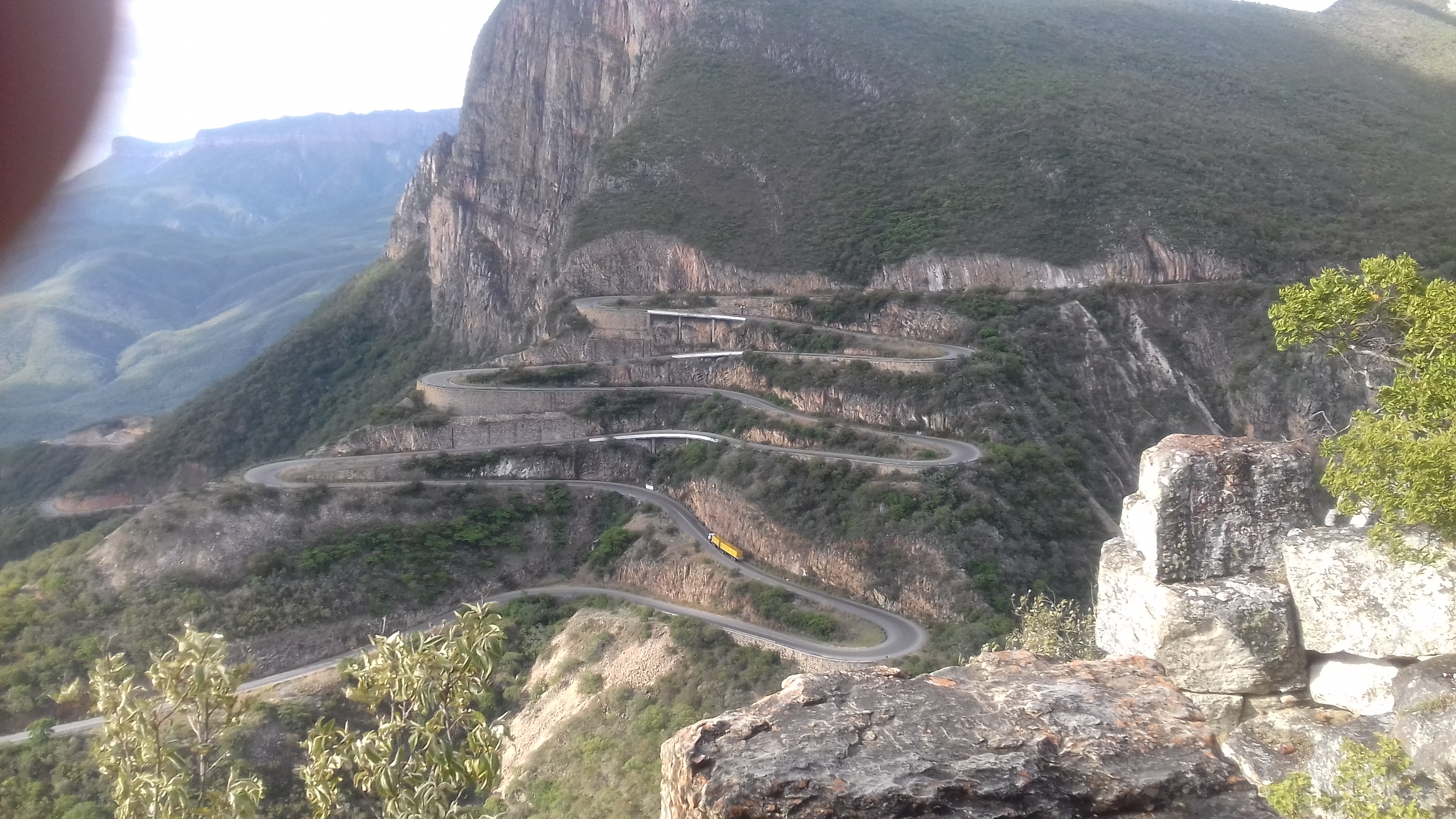
Angola is a culturally rich country with 90+ ethnic groups, layered colonial history, and vibrant contemporary culture. Music, family, hospitality, and respect for elders are central values. Most Angolans are warm and welcoming to visitors who show interest in the country.
Greetings
Always greet first before getting to business — saying bom dia/boa tarde is essential. Handshakes are standard for men; women may offer a handshake or a kiss on each cheek (more common with familiarity). First names are reserved for friends; use Senhor/Senhora + last name initially.
Dress Code
Angolans dress well, especially in cities. Smart casual is the norm in Luanda restaurants and bars. Modest dress is appreciated outside tourist areas — covered shoulders and knees, especially for women. Religious sites require modest dress. Beach areas are more relaxed but cover up in towns. Clubs and upscale restaurants often have dress codes.
Photography
Always ask before photographing people — gestures are usually understood. Avoid photographing government buildings, military installations, police, ports, and airports — this can lead to detention or confiscation. Markets and street scenes — generally fine but be discreet. Drones require special permits and are often confiscated; don’t bring one unless you’ve cleared it in advance.
Tipping
Restaurants: 10% if service charge isn’t included. Hotels: USD 1–2 per bag for porters, USD 5–10/night for housekeeping at upscale properties. Taxis: Round up. Tour guides: USD 10–20/day. Drivers: USD 5–10/day. Tipping is appreciated but not aggressive.
Religion
Angola is predominantly Christian (about 90%, mostly Roman Catholic with growing Protestant denominations). Indigenous beliefs persist alongside Christianity in many areas. Be respectful in religious settings — modest dress, quiet behavior, no flash photography.
Music and Nightlife
Music is central to Angolan culture — kuduro (electronic dance), semba (the rhythmic ancestor of samba), kizomba (slow, sensual partner dance), and rebita (traditional). Live music venues in Luanda are extraordinary experiences. Dress smart, arrive after 10 PM for clubs.
Social Behavior
Respect for elders is fundamental — let older people sit first, address them with deference. Indirect communication is common — direct ‘no’ is sometimes considered rude; soften refusals. Time is fluid — meetings and social gatherings often start late. Hospitality runs deep — accept offers of coffee/water; refusing repeatedly is impolite.
Frequently Asked Questions
What is the dress code in Angola?
Smart casual in Luanda; modest dress outside cities (covered shoulders/knees especially for women). Beachwear at beaches only, not in towns. Religious sites require modest dress.
Should I tip in Angola?
Yes — 10% at restaurants if no service charge, USD 1–2 per bag for hotel porters, USD 10–20/day for guides. Appreciated but not aggressive.
Can I photograph people in Angola?
Always ask first. A smile and gesture is usually enough. Don’t photograph government, military, police, ports, or airports.
What religion is Angola?
About 90% Christian (mostly Catholic). Indigenous beliefs persist alongside Christianity. Be respectful in religious settings with modest dress.